

Introduction
Professional barbers spend hours cutting, layering, and styling hair. Over time, repetitive scissor movements can cause hand, wrist, and forearm fatigue, which affects cutting precision, efficiency, and overall performance. One of the most overlooked factors in reducing fatigue is handle design.
The right handle design can significantly reduce strain, improve comfort, and enhance accuracy. Ergonomically designed scissors allow barbers to work longer without discomfort, maintain proper technique, and prevent long-term injuries.
In this article, we will explore how handle design impacts barber performance, the differences between offset, straight, and crane-style handles, and tips for choosing scissors that protect your hands while delivering precision results. By the end, you’ll understand how investing in ergonomically designed tools, like Trimline scissors, can transform your barbering experience.
Why Fatigue Happens in Professional Barbering
Barbering requires repetitive hand movements, precision cutting, and sustained grip, which can lead to:
- Muscle strain: Continuous squeezing and scissor movement engages hand and forearm muscles.
- Joint stress: Improper wrist angles cause tension in joints.
- Reduced precision: Fatigue affects control, leading to uneven cuts and mistakes.
Even the most skilled barber can experience tired hands and wrists if the tools are not designed to support natural movement. Recognizing this problem is the first step toward improving performance.
The Role of Handle Design in Reducing Fatigue
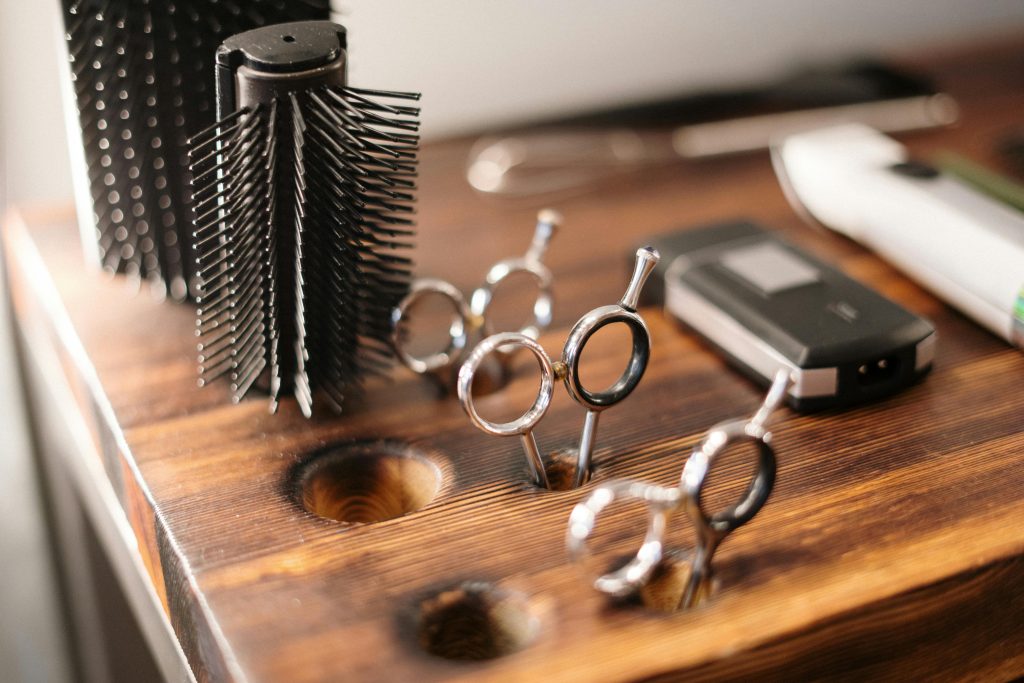
Handle design directly influences grip, wrist angle, and motion efficiency. Ergonomic handles minimize unnecessary tension and distribute pressure evenly. Key benefits include:
- Offset Handles:
- Thumb handle is slightly lower than the finger handle.
- Keeps wrist in a natural position.
- Reduces bending, decreases stress on joints, and prevents fatigue during long sessions.
- Crane or Swivel Handles:
- Adjustable handles allow rotation at the pivot.
- Supports natural wrist movement and keeps the hand relaxed.
- Ideal for slide cutting or complex styling techniques.
- Straight Handles:
- Traditional design.
- Requires skilled wrist positioning to avoid fatigue.
- Best for short cutting sessions or barbers comfortable with standard grip techniques.
Example: A barber cutting hair for eight hours with straight scissors may experience soreness, whereas an offset or crane handle design promotes a more relaxed posture and reduces strain.
How Proper Grip Reduces Fatigue
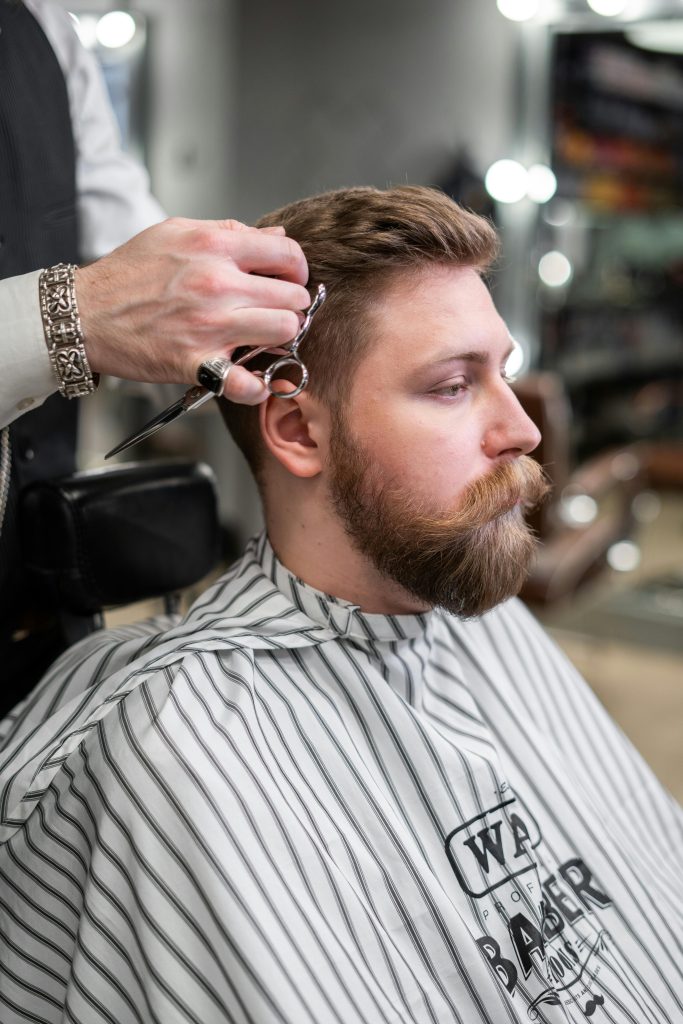
Even the best handle design is ineffective without the correct grip:
- Thumb Placement: Resting the thumb comfortably in the top handle, not squeezed.
- Finger Position: Ring finger stabilizes the bottom handle while middle finger supports the blade.
- Relaxed Hold: Avoid gripping tightly; scissors should glide through hair with minimal pressure.
Tip: Ergonomic handles on Trimline scissors complement this grip, ensuring minimal effort and maximum control.
Materials and Weight Matter
Scissor material and weight affect fatigue as much as handle design:
- Lightweight Materials: Reduce strain on hands and wrists over extended use.
- High-Quality Steel: Provides durability without unnecessary weight.
- Balanced Scissors: Proper weight distribution prevents tipping and uneven cutting, reducing hand tension.
Example: Trimline Japanese steel scissors are lightweight and balanced, reducing fatigue while maintaining precision.
Techniques to Further Minimize Fatigue
Even with ergonomic handles, barbers can adopt techniques to reduce fatigue:
- Alternate Hands: Switching dominant hands during repetitive tasks can prevent overuse injuries.
- Take Breaks: Brief pauses allow muscles to relax and prevent strain.
- Stretch Hands and Wrists: Simple stretches before, during, and after shifts increase flexibility.
- Maintain Scissors: Sharp blades require less pressure and reduce hand strain.
Tip: Combining ergonomic handles with these techniques maximizes comfort and efficiency.
Signs You Need Ergonomic Scissors
Barbers may not realize their scissors contribute to fatigue. Signs include:
- Soreness in the thumb, wrist, or forearm after short sessions.
- Tingling or numbness in fingers.
- Reduced cutting precision after prolonged work.
- Pain that persists beyond work hours.
Solution: Switch to ergonomically designed scissors like Trimline offset or crane-handle scissors to alleviate these symptoms.
Frequently Asked Questions (FAQs)
Q1: Are ergonomic scissors necessary for all barbers?
- Not always, but they are highly recommended for professionals who work long hours to prevent fatigue and injury.
Q2: What’s the difference between offset and crane handles?
- Offset handles keep the wrist straight for standard cuts, while crane handles allow rotation for complex movements.
Q3: Can handle design improve precision?
- Yes. Ergonomic handles reduce strain and improve control, resulting in more accurate and consistent cuts.
Q4: How do I maintain ergonomic scissors?
- Clean after each use, oil pivot screws, sharpen regularly, and store in a protective case.
Conclusion
Handle design plays a crucial role in reducing fatigue for professional barbers. Whether using offset, crane, or straight handles, ergonomic scissors support natural wrist positions, minimize muscle strain, and enhance cutting precision.
Investing in high-quality, ergonomically designed scissors like Trimline not only protects your hands and wrists but also improves efficiency, precision, and client satisfaction. Proper grip, weight balance, and technique combined with the right scissors allow barbers to work comfortably for long hours, maintain high performance, and prevent long-term injuries.
Ultimately, understanding the connection between handle design and hand health is essential for every professional barber committed to delivering perfect haircuts with comfort and precision.
