

Introduction
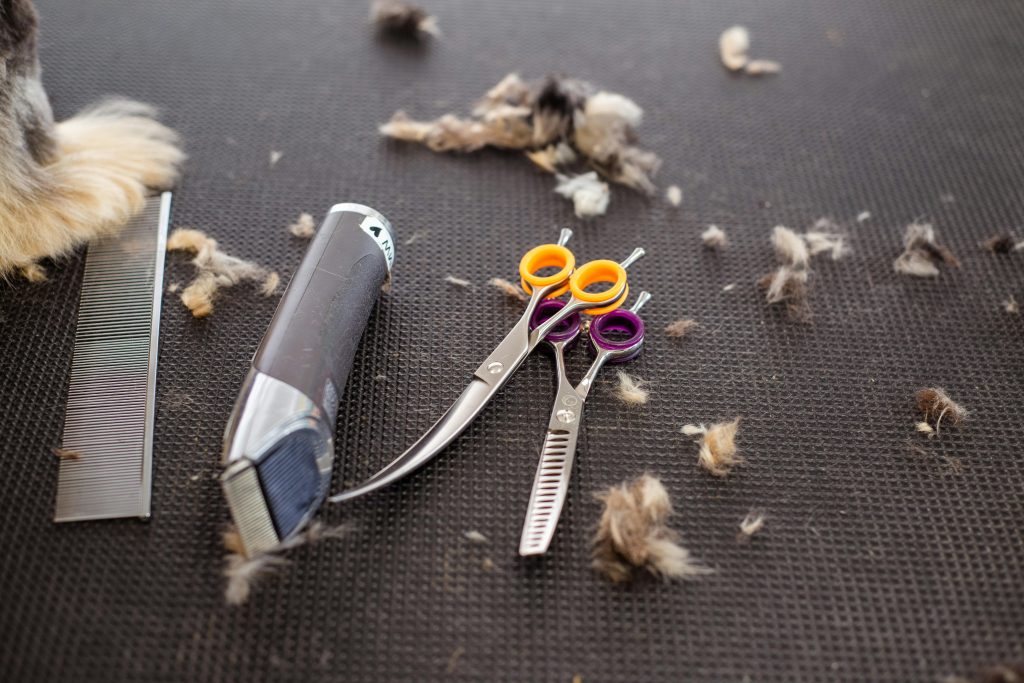
Professional pet grooming requires more than just skill—it demands the right tools. Grooming scissors are essential for achieving precision, comfort, and efficiency in every session. From trimming delicate areas around the face to shaping full coats, the quality of your scissors directly affects the outcome.
Pet groomers and stylists must understand blade types, sizes, handle designs, and maintenance practices to maximize performance and reduce fatigue. This guide provides a comprehensive overview of grooming scissors, helping professionals make informed choices and deliver the best results for their clients.
Whether you are grooming dogs, cats, or exotic pets, understanding the nuances of grooming scissors ensures safety, precision, and long-lasting tools.
1. Understanding Blade Types
The choice of blade type is crucial for professional grooming. Common types include:
- Convex-Edge Blades: Ultra-sharp, smooth cutting for precise finishes. Ideal for detail work around the face, paws, and ears.
- Bevel-Edge Blades: Durable and suitable for thick or coarse fur. Perfect for bulk trimming and shaping coats.
- Thinning Blades: Reduce density, blend layers, and remove bulk without cutting too much length.
Tip: Convex-edge blades are preferred by most professionals for their smooth glide and minimal hair damage. Trimline scissors offer high-quality convex-edge options for precise pet grooming.
2. Choosing the Right Size
Scissor size affects control, precision, and comfort:
- Small Scissors (4.5–5.0 inches): Best for delicate areas, such as face, paws, and ears.
- Medium Scissors (5.5–6.0 inches): Ideal for general body trimming and shaping.
- Large Scissors (6.5–7.0 inches): Suitable for bulk trimming on larger breeds.
Tip: Always select scissors that allow natural wrist movement and comfortable grip to prevent fatigue during long grooming sessions.
3. Handle Design and Ergonomics
Ergonomic handle designs reduce strain on hands and wrists:
- Offset Handles: Keep the wrist in a natural position for smooth cutting.
- Swivel or Crane Handles: Allow rotation, perfect for detailed or intricate grooming.
- Straight Handles: Traditional design but can cause fatigue during extended use.
Example: Using Trimline offset or crane-handle grooming scissors reduces hand strain while maintaining precision and efficiency throughout grooming sessions.
4. Maintenance and Longevity
Proper maintenance is essential for grooming scissors to perform at their best:
- Cleaning: Remove hair and moisture after every grooming session.
- Oiling: Lubricate pivot screws to ensure smooth action.
- Sharpening: Professional sharpening every 3–6 months prevents dull blades.
- Storage: Use protective cases to avoid damage and maintain alignment.
Tip: Well-maintained scissors last longer, perform consistently, and prevent accidental cuts on pets.
5. Techniques Every Groomer Should Master
Professional pet grooming requires mastering multiple cutting techniques:
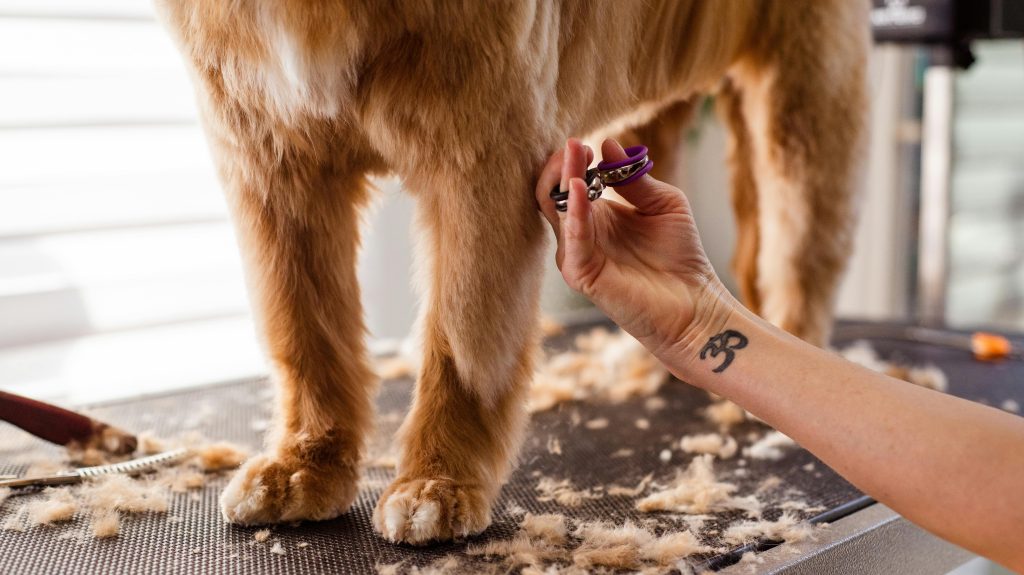
- Slide Cutting: Creates smooth transitions and blends layers without harsh lines.
- Point Cutting: Adds texture and softens edges for natural-looking finishes.
- Blunt Cutting: Establishes baseline lengths and shapes coats precisely.
- Texturizing: Reduces bulk and balances coat thickness.
Example: Use slide cutting for long coats, point cutting around paws, and texturizing on dense undercoats to achieve salon-quality grooming results.
6. Matching Scissors to Pet Coat Types
Different coat types require specific scissor choices:
- Fine or Silky Hair: Convex-edge scissors for gentle, smooth cuts.
- Thick or Coarse Hair: Bevel-edge or high-carbon steel scissors for durability.
- Curly or Wavy Hair: Medium-length convex scissors to follow natural hair patterns.
- Long Hair Breeds: Use longer scissors for bulk trimming with smooth, consistent motion.
Tip: Assess the pet’s coat type before starting and select scissors designed for the hair texture to prevent pulling or uneven cuts.
7. Reducing Groomer Fatigue
Even the best scissors can cause strain without proper technique:
- Alternate dominant hand if possible.
- Use ergonomic scissors and maintain correct wrist alignment.
- Take short breaks during long grooming sessions.
- Keep scissors sharp and well-oiled to reduce cutting resistance.
Example: Trimline’s lightweight, balanced scissors allow extended grooming without discomfort or loss of precision.
8. Frequently Asked Questions (FAQs)
Q1: Can one pair of scissors work for all pets?
- No. Different breeds and coat types require specific scissors for precision and safety.
Q2: How often should grooming scissors be sharpened?
- Every 3–6 months depending on frequency of use and hair thickness.
Q3: Are convex-edge scissors better than bevel-edge for pets?
- Convex-edge scissors are smoother and ideal for precise, gentle cutting, while bevel-edge scissors are durable for thick coats.
Q4: How can I reduce hand fatigue during long grooming sessions?
- Use ergonomic handle designs, alternate cutting techniques, maintain scissors properly, and take short breaks.
Conclusion
Grooming scissors are the foundation of professional pet grooming. Selecting the right blade type, size, and handle design, along with mastering cutting techniques, ensures precision, efficiency, and client satisfaction.
Investing in high-quality scissors like Trimline grooming scissors delivers smooth cuts, reduces hand fatigue, and enhances comfort during long sessions. By maintaining your scissors and matching them to the pet’s coat type, you can achieve consistent, professional results every time.
Understanding scissor selection and proper technique elevates your grooming skills, helping you provide safe, precise, and beautifully styled coats that clients trust and pets enjoy.
