

Introduction
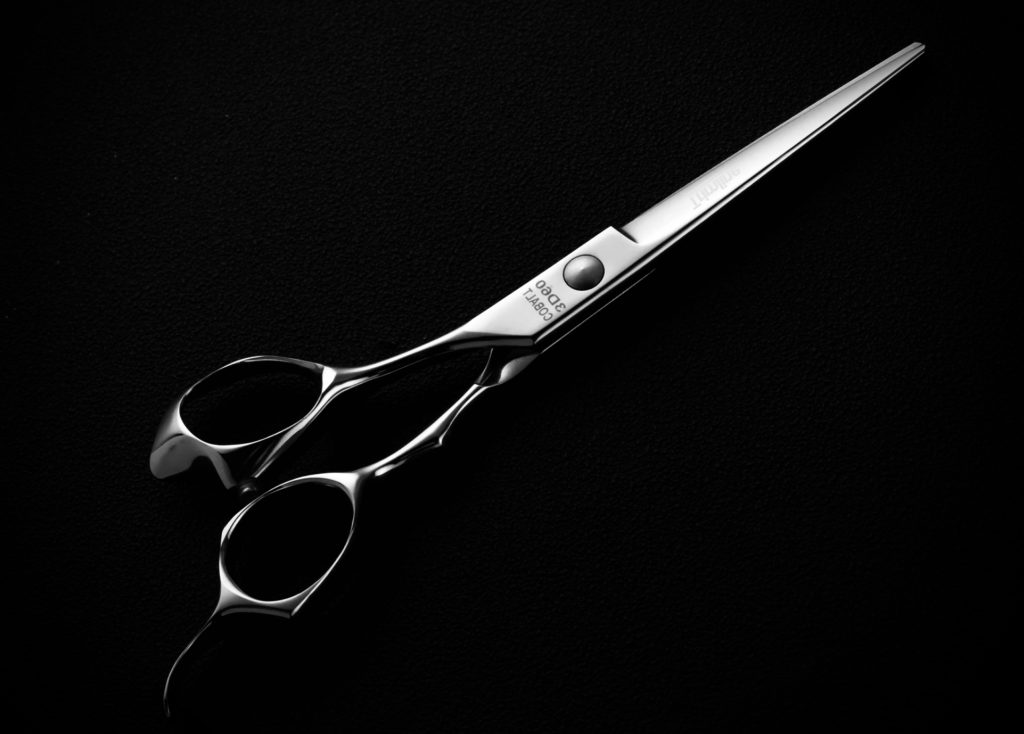
Precision is the cornerstone of professional barbering. Every cut, fade, and texture depends not only on the barber’s skill but also on the quality and suitability of the tools in hand. Among these tools, barber scissors are the most critical for achieving clean, sharp, and professional results. Choosing the wrong scissor can compromise technique, strain your hands, and affect the overall finish of the haircut.
For barbers seeking excellence, understanding blade types, steel quality, handle design, and proper sizing is essential. This guide will walk you through the factors to consider when selecting a barber scissor for precision cutting, helping you make an informed choice that enhances your performance and client satisfaction.
1. Blade Types: Razor-Edge vs. Bevel-Edge
The blade design greatly influences precision and cutting smoothness. There are two main types of barber scissor blades:
- Razor-Edge Blades: Known for their ultra-sharp edge and smooth glide, razor-edge scissors allow effortless cutting with minimal hair resistance. They are ideal for advanced techniques such as slide cutting, point cutting, and texturizing, offering clean lines and flawless finishes. Trimline scissors, like the Spectra and Dragon series, use razor-edge blades to ensure high precision.
- Bevel-Edge Blades: Bevel-edge scissors are thicker and more durable, making them suitable for blunt cutting and bulk work. While they may not provide the same silky smooth glide as razor-edge blades, they excel in durability and long-lasting sharpness.
Tip: For barbers focused on precision work and professional styling, razor-edge scissors are generally the preferred choice.
2. Steel Quality Matters
The type of steel used in scissors determines sharpness, durability, and longevity:
- High-Carbon Steel: Offers hardness and long-lasting sharpness, perfect for precision cutting.
- J2 Steel: A premium stainless steel widely used in professional barber scissors for its balance of flexibility, edge retention, and corrosion resistance.
- Japanese Steel: Globally renowned for durability and sharpness, ideal for razor-edge blades that maintain their precision for years.
Tip: Investing in scissors made from high-quality steel, such as Trimline Japanese stainless steel, ensures smooth performance, reduces effort, and keeps cuts precise even after prolonged use.
3. Choosing the Right Size and Weight
Scissor size directly affects comfort, control, and cutting accuracy:
- Shorter Scissors (5.0–5.5 inches): Provide excellent control for detailed work, layering, and texturizing.
- Medium Scissors (6.0–6.5 inches): Offer versatility for general cutting and blending.
- Longer Scissors (7.0 inches or more): Suitable for bulk cutting and straight cuts on longer hair.
Tip: Choose a size that feels balanced in your hand. Lightweight scissors reduce hand fatigue during long hours, while balanced weight ensures smooth, precise motion.
4. Handle Design and Ergonomics
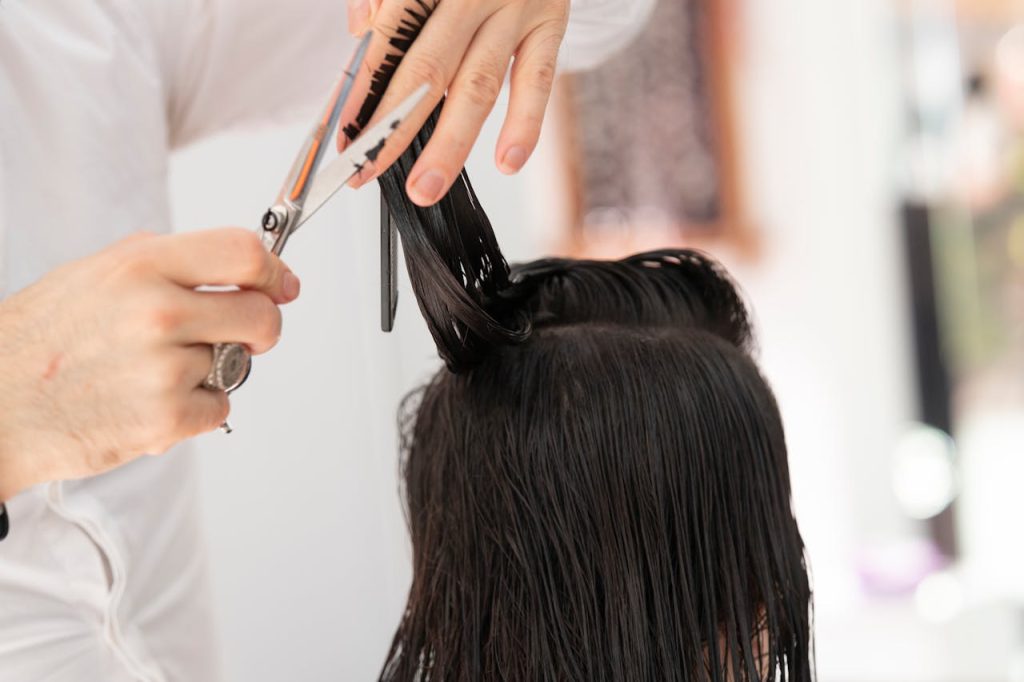
Handle design is crucial for preventing hand and wrist strain, improving comfort, and enhancing cutting precision:
- Offset Handles: Keep the wrist in a natural position, reducing tension and fatigue. Ideal for barbers working long shifts.
- Crane/Swivel Handles: Allow rotation at the pivot, promoting fluid motion and supporting intricate techniques.
- Straight Handles: Traditional style; effective in skilled hands but may cause strain if used for extended periods.
Tip: Trimline scissors feature ergonomic offset and crane-handle options, providing comfort and precision for professional barbers.
5. Tension and Adjustment
Proper tension is key to precise cutting:
- Scissors that are too loose can cause blades to bend and produce uneven cuts.
- Scissors that are too tight can create hand fatigue and reduce fluidity.
- Look for adjustable pivot screws that allow fine-tuning of tension to suit your cutting style.
Tip: Test scissors on hair sections before buying to ensure smooth, consistent cutting without excessive force.
6. Maintenance for Consistent Precision
Even the best barber scissors require proper care:
- Cleaning: Remove hair and moisture after every use.
- Oiling: Lubricate pivot screws regularly for smooth action.
- Sharpening: Razor-edge blades need professional sharpening every 6–12 months depending on use.
- Storage: Keep scissors in protective cases to prevent damage.
Tip: Regular maintenance extends the lifespan of your scissors, keeps them precise, and ensures consistent cutting performance.
7. Common Mistakes to Avoid
Barbers often overlook these factors when choosing scissors:
- Selecting scissors based on price rather than quality and suitability.
- Using dull or improperly maintained scissors for precision work.
- Ignoring ergonomic handle designs, leading to hand and wrist strain.
- Choosing the wrong size or weight for cutting style and hair type.
Tip: Always prioritize quality, comfort, and function over aesthetics or cost.
Frequently Asked Questions (FAQs)
Q1: What scissor size is best for precision cutting?
- Shorter scissors (5.0–5.5 inches) are ideal for detailed work, layering, and texturizing.
Q2: Are razor-edge scissors better than bevel-edge for precision?
- Yes. Razor-edge scissors provide a smoother, more precise cut with minimal resistance.
Q3: How often should professional scissors be sharpened?
- Every 6–12 months depending on use, hair type, and blade material.
Q4: Can ergonomic handles really reduce hand fatigue?
- Absolutely. Offset and crane handles maintain natural wrist alignment and improve comfort during long sessions.
Conclusion
Choosing the right barber scissor for precision cutting is more than selecting a sharp pair—it involves careful consideration of blade type, steel quality, size, handle design, and tension adjustment. Professional barbers benefit from investing in high-quality scissors, such as Trimline razor-edge and convex-edge scissors, which provide consistent performance, precision, and comfort.
By understanding your needs, matching scissors to your cutting techniques, and maintaining them properly, you can achieve flawless, professional haircuts while minimizing hand fatigue. Precision, comfort, and durability are the hallmarks of an ideal barber scissor—qualities every stylist should prioritize to elevate their craft and satisfy every client.
