

Introduction
Even experienced barbers can make mistakes that affect the quality of haircuts, client satisfaction, and long-term professional growth. While some errors are minor, others can compromise precision, create uneven results, or even cause hair damage. Recognizing these mistakes and learning how to avoid them is key to mastering your craft and maintaining a loyal client base.
In this guide, we explore the top 10 mistakes barbers make, provide solutions, and highlight how using the right tools, like Trimline scissors, can help you deliver flawless results every time.
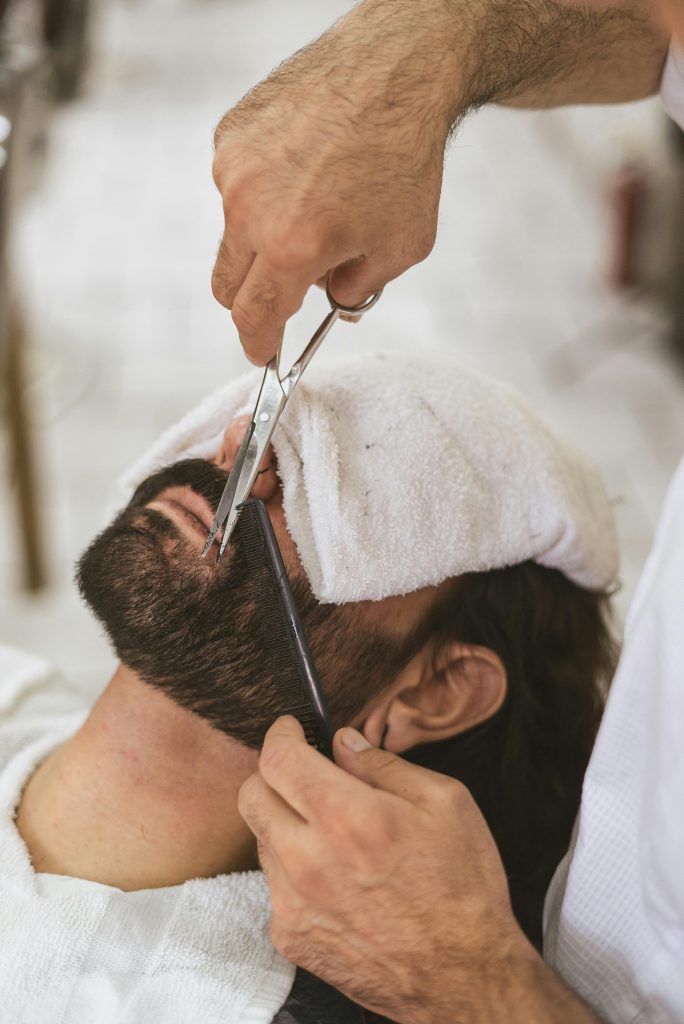
1. Using Dull or Poor-Quality Scissors
One of the most common errors is working with dull scissors.
- Problem: Dull scissors tug hair, cause uneven cuts, and increase hand fatigue.
- Solution: Use high-quality, razor-edge or convex-edge scissors, and maintain them with regular sharpening and proper cleaning.
- Example: Trimline scissors are engineered to retain sharpness, ensuring smooth cuts even after hours of use.
2. Incorrect Scissor Grip
A poor grip reduces precision and causes hand strain.
- Problem: Squeezing too tightly or improper finger placement results in uneven cuts.
- Solution: Hold the scissors with a relaxed grip: thumb in top handle, ring finger in bottom handle, middle finger stabilizing the bottom handle.
- Tip: Ergonomic or offset scissors reduce fatigue during long salon sessions.
3. Ignoring Hand and Wrist Position
Many barbers overlook how wrist position affects cutting quality.
- Problem: Bent or twisted wrists create inconsistent angles and fatigue.
- Solution: Keep your wrist neutral and use arm movement for long cuts. Adjust angles based on hair section for precision.
4. Over-Thinning or Over-Texturizing Hair
Excessive use of thinning or texturizing scissors can reduce volume.
- Problem: Hair appears wispy or uneven.
- Solution: Use thinning scissors strategically: on thick hair, for blending layers, or softening blunt edges.
- Tip: Section hair properly and perform controlled, short snips to avoid over-thinning.
5. Skipping Proper Sectioning
Failing to section hair leads to uneven layers and mistakes.
- Problem: Cutting large sections at once can remove too much hair and ruin shape.
- Solution: Divide hair into manageable sections and cut methodically. Always work from bottom layers to top layers for clean results.
6. Neglecting Scissor Tension Adjustment
Scissor tension directly impacts precision.
- Problem: Too tight causes stiffness; too loose causes hair bending.
- Solution: Adjust pivot screws daily according to hair type. Smooth pivot systems, like those on Trimline scissors, make adjustments effortless.
7. Poor Cleaning and Maintenance
Dirty or poorly maintained scissors reduce performance.
- Problem: Hair residue, moisture, and friction can dull scissors and reduce control.
- Solution: Clean blades after each use, oil pivot screws, sharpen regularly, and store scissors in a protective case.
8. Ignoring Client Consultation
Many barbers jump into a haircut without understanding client preferences.
- Problem: Miscommunication can result in an unsatisfactory haircut.
- Solution: Always consult with clients about style, length, and texture before cutting. Use visual references to ensure alignment with expectations.
9. Rushing the Cut
Speed is not a substitute for precision.
- Problem: Cutting too quickly leads to mistakes, uneven layers, and accidents.
- Solution: Focus on steady, deliberate movements. Practice techniques like slide cutting and point cutting to improve speed without sacrificing quality.
10. Ignoring Hand Fatigue and Health
Long hours without proper ergonomics cause strain and long-term injuries.
- Problem: Fatigue reduces control and precision, increasing errors.
- Solution: Use ergonomic scissors, take breaks, perform hand exercises, and practice correct grip and wrist positioning.
Additional Tips to Avoid Mistakes
- Invest in Training: Continuous learning improves technique and reduces common errors.
- Observe Experienced Barbers: Watch hand positioning, angles, and tension adjustments.
- Use the Right Tools: Quality scissors, like Trimline, combined with proper technique, minimize mistakes.
Frequently Asked Questions (FAQs)
Q1: How often should barbers sharpen their scissors?
- Every 3–6 months depending on usage and hair type.
Q2: Can poor scissor handling damage hair?
- Yes. Improper grip, tension, or dull scissors can cause split ends and uneven cuts.
Q3: Are ergonomic scissors necessary?
- Highly recommended for reducing hand fatigue and maintaining precision during long salon hours.
Q4: What’s the most common mistake beginners make?
- Over-thinning hair and improper scissor grip are the most frequent errors among novice barbers.
Conclusion
Even skilled barbers make mistakes, but awareness and proactive correction are what separate professionals from amateurs. Avoiding errors such as using dull scissors, improper grip, over-thinning hair, and rushing cuts ensures precision, client satisfaction, and long-term hand health.
By combining professional technique with high-quality tools, like Trimline razor-edge and convex-edge scissors, barbers can deliver perfect haircuts consistently. Practicing correct methods, maintaining tools, and consulting clients thoroughly transforms ordinary cuts into professional artistry.
